If you’ve ever stood on a ladder in October scooping wet leaves out of your gutters, gutter guards probably sound like an easy decision. But they aren’t cheap, they aren’t all built the same, and they don’t work equally well on every home.
So, are gutter guards worth it? For many homes in the Chicago suburbs, yes. For some, they’re an expense you don’t need. This guide covers how gutter guards work, the main types, the real pros and cons, and how to tell whether they make sense for your house.
What Do Gutter Guards Do?
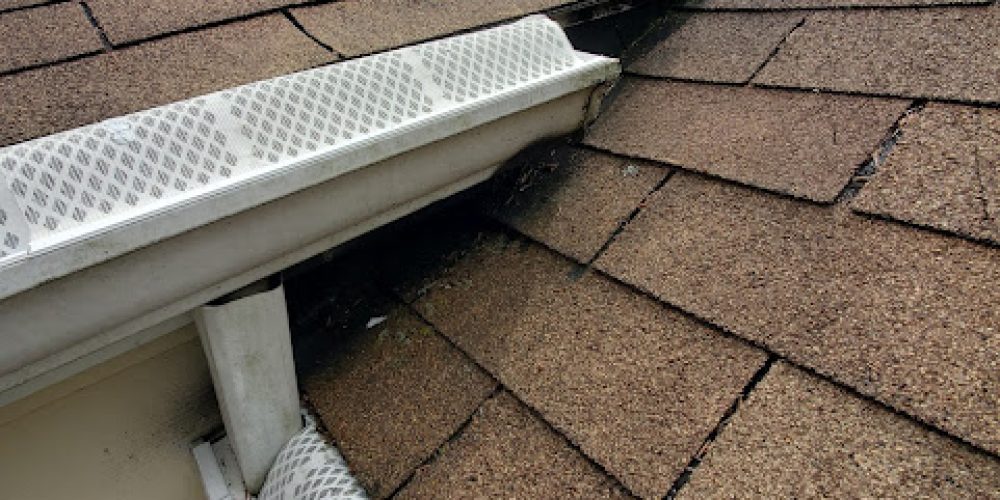
Gutter guards are covers or inserts that sit over or inside your gutters. They let rainwater flow in while keeping out leaves, twigs, seeds and other debris. The goal is to stop clogs, which cause overflowing gutters, water damage to fascia and siding, wet basements and, in winter, ice buildup along the roof edge.
Do Gutter Guards Work?
Good gutter guards, properly installed, work well. They keep most debris out and greatly reduce how often you need to clean your gutters. What they don’t do is make gutters maintenance-free. Small debris, roof grit and seed pods can still collect on top of or inside some guards, and most types need an occasional rinse or brush-off.
How well they work depends on three things: the type of guard, the debris around your home, and whether they were installed correctly for your roof and gutter size.
Types of Gutter Guards
There are five common types of gutter guards, and each handles debris differently.
Screen guards
Plastic or metal screens with fairly large openings that sit over the gutter. They’re the least expensive and easiest to install, and they keep out large leaves. Smaller debris like seeds and pine needles can get through or get stuck in the openings, and lightweight screens can sag or blow loose.
Micro-mesh guards
Fine stainless steel or aluminum mesh on a rigid frame. Micro-mesh blocks almost everything, including small seeds, pine needles and roof grit, while still letting water through. It’s usually the most effective option and one of the more expensive. The surface may need an occasional brushing to clear buildup.
Reverse curve (surface tension) guards
Solid covers that curve over the gutter. Water follows the curve into the gutter while leaves slide off the edge. They handle leaves well, but in very heavy rain, water can overshoot the gutter, and they’re more visible from the ground.
Brush guards
Long bristle brushes that sit inside the gutter and catch debris on top. They’re inexpensive and easy to install, but debris gets tangled in the bristles, so they need to be pulled out and cleaned regularly.
Foam guards
Foam inserts that fill the gutter and let water soak through. They’re cheap and simple, but small debris and seeds can sprout on the foam, and the foam can break down over time.
Pros and Cons of Gutter Guards
The pros
- Fewer cleanings. Most homeowners go from cleaning gutters a few times a year to a quick check or rinse.
- Less ladder work. This matters most on two-story homes, where gutter cleaning is a real safety risk.
- Fewer clogs and overflows. Water stays in the gutter and goes where it should, away from your foundation, siding and landscaping.
- Less ice buildup. Gutters packed with wet leaves freeze solid in winter. Keeping them clear helps meltwater drain, although guards alone won’t prevent ice dams.
- Fewer pests. Clean, dry gutters are less inviting to mosquitoes, birds and rodents.
The cons
- Upfront cost. Professionally installed guards cost more than a few years of gutter cleaning, so the payoff takes time.
- Not maintenance-free. Most guards still need an occasional brushing or rinse, and some types need more attention than others.
- Overshooting in heavy rain. Some designs, especially reverse curve guards, can let water spill over during downpours.
- Ice on top in winter. In very cold weather, snow and ice can sit on top of some guards.
- Harder to clean if something does get in. If debris gets under a guard, it has to be removed to clear the gutter.
How Much Do Gutter Guards Cost?
Gutter guard cost depends on the type you choose, the length of your gutters, the height of your home and whether your gutters need repairs first. Screens and foam are the least expensive and are often installed by homeowners. Micro-mesh systems cost the most but last longer and block more debris. Professional installation adds to the cost, but it makes sure the guards are fitted correctly to your roof and gutters, which is what determines how well they perform.
When you compare cost, compare it with what you’d spend on gutter cleaning over the next 10 to 15 years, plus the cost of any water damage that clogged gutters could cause.
Gutter Guards in the Chicago Suburbs: What to Consider
Homes across the north and northwest suburbs deal with debris year-round, and that’s a big part of why gutter guards make sense for so many of them:
- Spring: Maple seeds, the “helicopters” or “whirlybirds,” pile into gutters by the thousands. They’re small enough to get through basic screens, which is why micro-mesh often works better here.
- Summer: Heavy thunderstorms test whether your gutters and guards can handle a lot of water at once.
- Fall: Oak and maple leaves clog gutters fast on streets with mature trees.
- Winter: Clogged gutters freeze and can add to ice dams on your roof, which push water back under the shingles.
Are Gutter Guards Worth It for Your Home?
Gutter guards are usually worth it if:
- You have trees near your house, especially maples, oaks or pines
- You have a two-story home or a steep roof that makes ladder work risky
- Your gutters clog more than once or twice a year
- You’ve had overflowing gutters, a wet basement or ice buildup along the roof edge
- You’d rather not clean gutters yourself or pay for frequent cleanings
They may not be worth it if:
- You have few or no trees nearby and your gutters rarely clog
- You have a single-story home and don’t mind cleaning gutters yourself
- Your gutters are sagging, leaking or undersized, in which case it makes sense to repair or replace the gutters first
Adding guards to damaged or poorly pitched gutters only covers up the problem. If your gutters are older, it’s often more cost-effective to install new gutters and guards together.
Tips for Getting the Most Out of Gutter Guards
- Choose a guard for your debris. If you have maple seeds or pine needles, a fine micro-mesh will outperform a basic screen.
- Make sure the gutters are in good shape first. Guards work best on gutters that are properly sized, sloped and securely attached.
- Check them twice a year. A quick look in spring and fall, plus a brush or rinse if needed, keeps them working.
- Have them installed to fit your roof. Guards that are installed incorrectly can lift shingles, block water flow or come loose in wind.
For more on why clear gutters matter, see our post on why it’s essential to maintain your gutters.
Gutter Guard FAQs
Do gutter guards really work?
Yes, when you choose the right type for your home and have them installed properly. They won’t eliminate maintenance entirely, but they greatly reduce clogs and how often you need to clean your gutters.
Do gutter guards work in heavy rain?
Most do, but performance varies by type. Micro-mesh guards generally handle heavy rain well. Reverse curve guards can let water overshoot the gutter during very heavy downpours.
Do gutter guards cause ice dams?
No. Ice dams form because heat escapes into the attic and melts snow on the roof. Gutter guards don’t cause that, although ice can form on top of some guards in very cold weather.
Which type of gutter guard is best?
For most homes with trees nearby, micro-mesh guards offer the best protection because they block both leaves and small debris like maple seeds and pine needles. The right choice depends on your debris, your gutters and your budget.
How long do gutter guards last?
It depends on the material. Metal micro-mesh and solid aluminum guards generally last much longer than plastic screens, foam or brush inserts.
Talk to a Local Gutter Expert
Euclid Roofing & Siding installs and repairs gutters, downspouts and gutter guards for homeowners across Chicago’s north and northwest suburbs, including Palatine, Schaumburg and Arlington Heights. We’ll look at your gutters, the trees around your home and your roof, and give you an honest recommendation, even if that means you don’t need guards at all.
Learn more about our gutter services, or call (847) 202-3740 to schedule a free estimate.